Navigating Healthcare: A Comprehensive Guide to Expat Health Insurance Plans in the UK

Introduction: Understanding Healthcare for Expats in the UK
The United Kingdom, renowned for its National Health Service (NHS), presents a unique healthcare landscape for expatriates. While the NHS offers universal access to healthcare for eligible residents, a thorough understanding of its provisions and potential limitations is crucial for expats. This article provides an academic overview of expat health insurance plans in the UK, elucidating the interplay between the NHS and private medical insurance, and offering critical considerations for selecting an appropriate plan.
The National Health Service (NHS) for Expats
The NHS is a publicly funded healthcare system providing comprehensive medical services. Eligibility for NHS services for expats typically depends on residency status, visa type, and the duration of stay. Most long-term residents and those with settled status are entitled to full NHS care, though certain services may incur charges or require contributions (e.g., prescription fees). While the NHS is celebrated for its high standards and accessibility, expats often report challenges such as:
- Waiting Lists: Non-urgent referrals, specialist consultations, and elective surgeries can involve significant waiting periods.
- Choice of Provider: Patients are generally allocated to local GP practices and referred to NHS hospitals based on geographical location, with limited choice of specific consultants.
- Privacy: Private rooms are not a standard offering within the NHS, even for serious conditions.
Understanding these aspects is fundamental to evaluating the supplementary role of private health insurance.

The Rationale for Private Expat Health Insurance
For many expatriates, private health insurance serves as a vital complement to, or sometimes a primary alternative for, the NHS. The decision to invest in a private plan is often driven by a desire for enhanced access, greater choice, and bespoke medical care. This is particularly pertinent for individuals accustomed to private healthcare systems or those with specific medical needs that necessitate rapid intervention or specialized treatment.
Key Benefits of Private Expat Health Insurance
Private health insurance plans for expats in the UK offer several distinct advantages:
- Expedited Access to Care: Reduced waiting times for specialist appointments, diagnostics (e.g., MRI scans), and elective surgeries.
- Choice of Specialist and Facility: The ability to select preferred consultants and receive treatment in private hospitals or dedicated private wings of NHS hospitals, offering increased comfort and privacy.
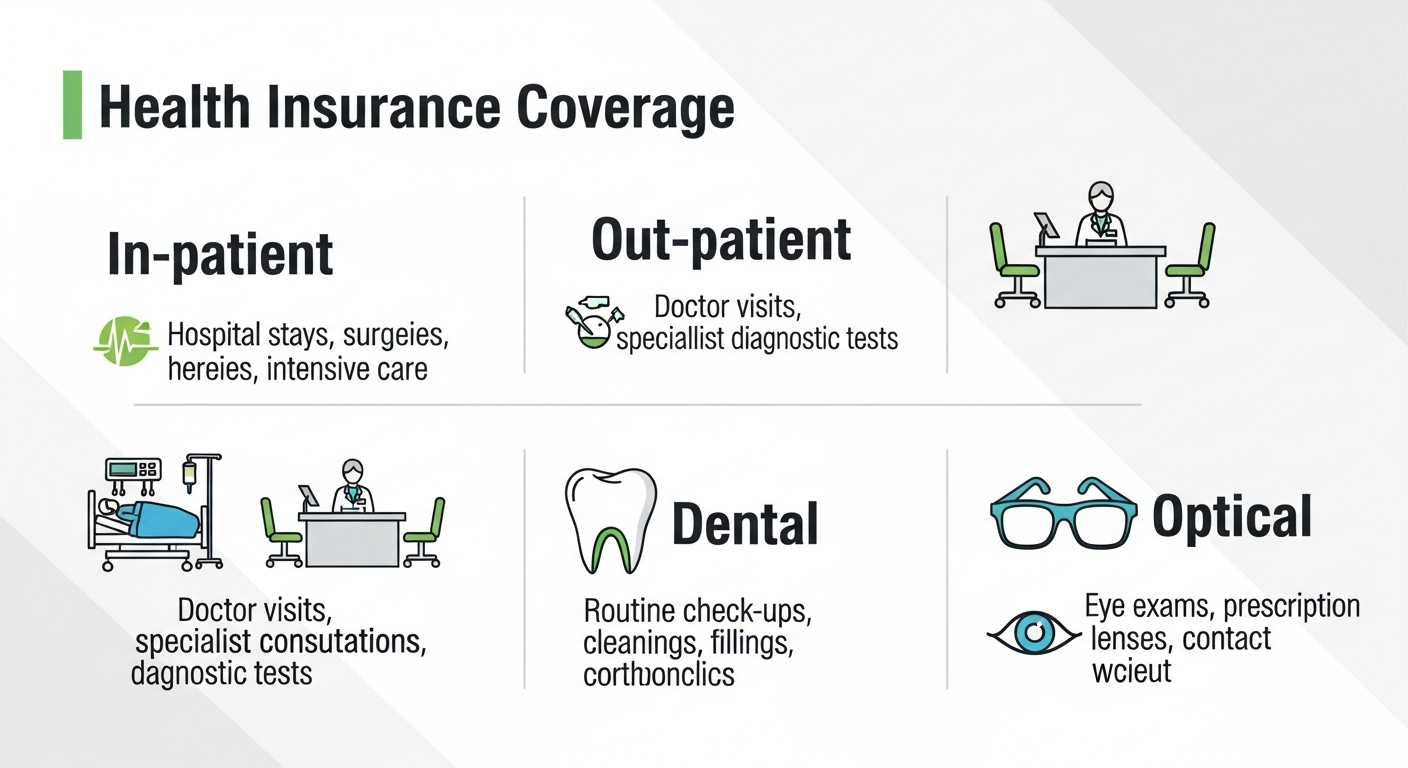
- Broader Coverage Options: Plans can be tailored to include comprehensive coverage for out-patient care, dental treatment, optical services, maternity care, and mental health support, which may have limited or no coverage under the NHS for certain expat categories.
- Global Coverage: Many international expat health insurance plans offer coverage not only within the UK but also for treatments received in other countries, which is beneficial for expats who frequently travel or anticipate returning to their home country for medical care.
- Repatriation: Certain policies include provisions for medical evacuation or repatriation, ensuring that an expat can return to their home country for treatment if necessary.
Critical Considerations When Selecting an Expat Health Insurance Plan
Choosing the optimal expat health insurance plan requires a meticulous evaluation of various factors:
- Coverage Scope: Assess whether the plan covers in-patient (hospital stays), out-patient (GP visits, specialist consultations, prescriptions), dental, optical, maternity, and mental health services. Understand any sub-limits or annual maximums.
- Geographical Coverage: Determine if the plan offers UK-only coverage, or if it extends internationally to include your home country or other regions you frequently visit. Ensure emergency medical cover is included for travel.
- Cost and Deductibles: Compare premiums, excesses (deductibles), and co-payments. A higher excess typically results in lower premiums, but means more out-of-pocket expenses before the insurance coverage begins.
- Pre-existing Conditions: Scrutinize the insurer’s policy on pre-existing conditions. Different underwriting methods (e.g., full medical underwriting, moratorium) will dictate whether existing health issues are covered.
- Provider Network: Investigate the network of hospitals, clinics, and specialists affiliated with the insurer. Ensure that preferred medical facilities are included.
- Customer Service and Claims Process: Evaluate the ease of submitting claims, the efficiency of reimbursement, and the availability of 24/7 customer support.
-
Conclusion
For expatriates residing in the UK, a comprehensive understanding of healthcare options is paramount. While the NHS provides a robust foundation, private expat health insurance plans offer significant advantages in terms of access, choice, and coverage breadth. By carefully considering individual needs, budget, and the specific terms of various policies, expats can make an informed decision that ensures peace of mind and access to high-quality medical care throughout their stay in the United Kingdom.